
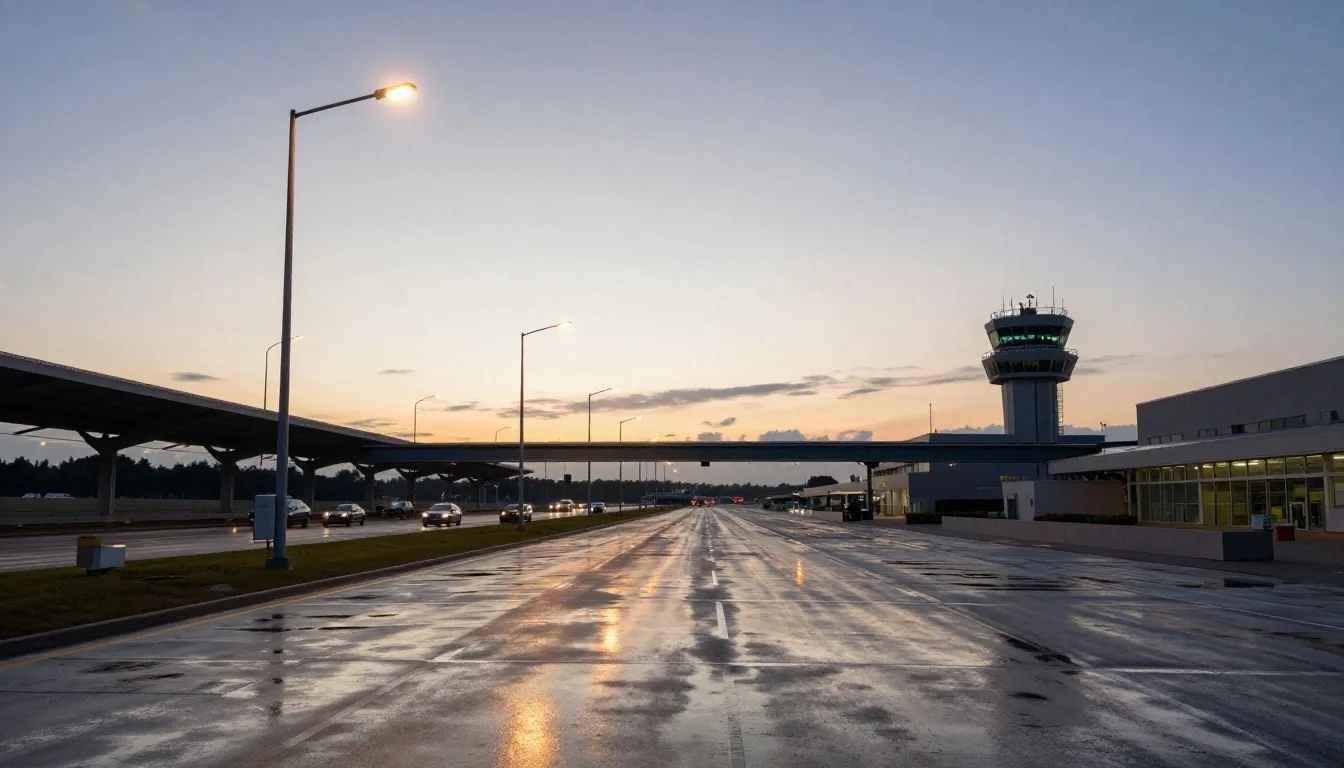
Navigate Sydney Airport roads and parking entrances easily
Getting to your parking space at Sydney Airport can be confusing due to one-way road systems, separate terminal precincts, and heavy arterial traffic around Mascot. Terminals 2 and 3 sit on the northeastern boundary of the airfield, while Terminal 1 sits on the western perimeter, with no direct vehicle shortcut across the runways. This practical guide explains the road approaches, vehicle height restrictions, and traffic conditions so you reach your parking bay smoothly.
Enter via Joyce Drive and Sir Reginald Ansett Drive. Directly adjacent to P1, P2, and P3 multi-deck decks.
Enter via Marsh Street or Airport Drive. Follow green gantry signage straight to the P7 multi-deck bays.
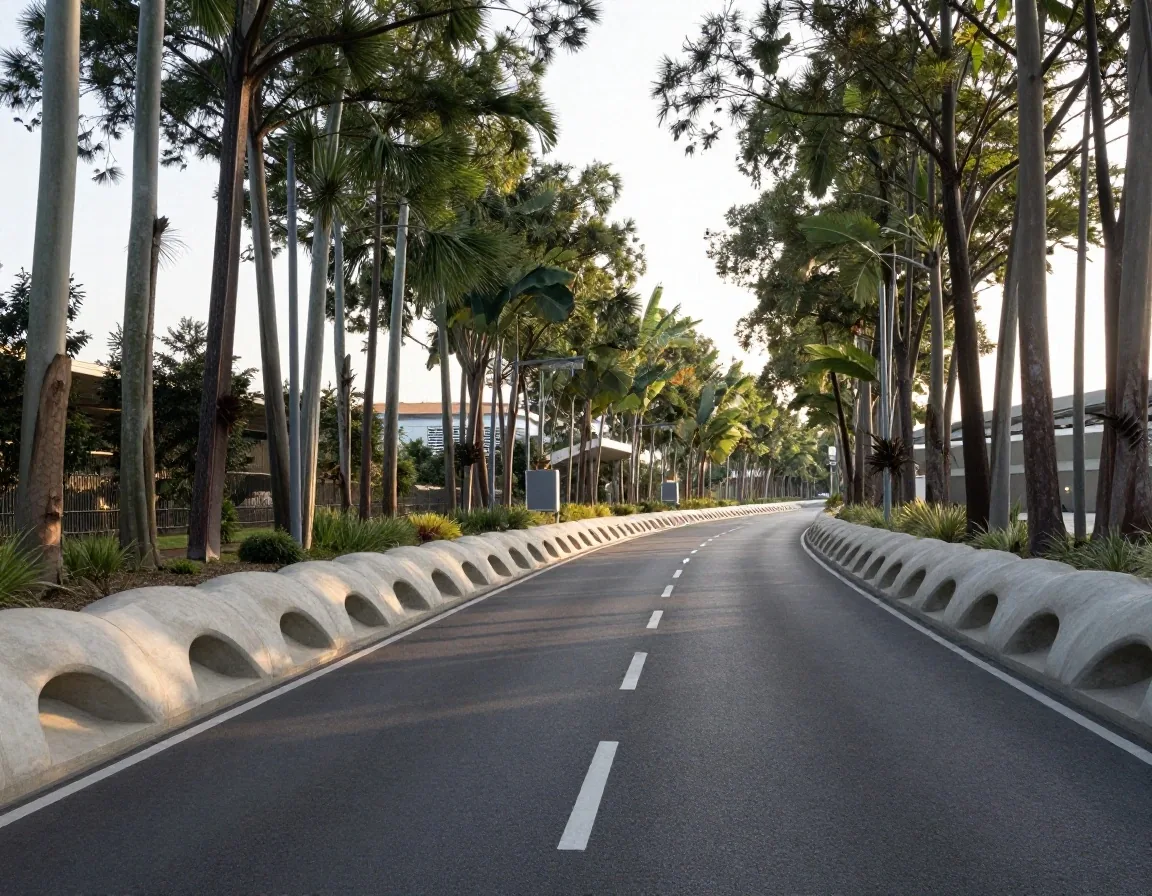
- Left 2 Lanes: Joyce Drive flyover toward Sir Reginald Ansett Drive for P1, P2, and P3 entries.
- Center Lanes: Dedicated express drop-off and pickup loops for Virgin Australia and Jetstar (T2).
- Right Lanes: Direct flow into Qantas domestic multi-deck P3 and airport bypass routes.
Approaching Domestic T2 and T3 via Joyce Drive
Drivers traveling to the domestic precinct typically approach via Southern Cross Drive or General Holmes Drive, merging onto Joyce Drive toward Sir Reginald Ansett Drive. Stay in the center-left lanes as you approach the airport boundary to avoid being forced onto bypass ramps toward the city. Sir Reginald Ansett Drive acts as the primary distributor road for domestic traffic: follow the overhead gantry signs directing you toward P1 for Terminal 2, P2 for central access, or P3 for extended multi-deck parking.
When planning your journey for sydney airport parking around the domestic hub, note that morning queues on Joyce Drive frequently back up past O'Riordan Street. Maintain your position in the marked airport approach lanes well before the railway overpass. If you inadvertently enter the express drop-off slip lane, you will be channeled through the terminal departures forecourt and cannot make a direct U-turn into the P1 structure without completing a full loop via Ross Smith Avenue.
Accessing International T1 via Airport Drive and Marsh Street
Reaching International Terminal 1 requires approaching from the western side of the airfield along Airport Drive or Marsh Street. If coming from the M5 Motorway or the southern suburbs, exit onto Marsh Street and follow the clearly marked overhead signs toward International Terminal departures and arrivals. Vehicles entering the multi-deck P7 car park should follow the dedicated green lane markings as they round the terminal approach loop, avoiding the drop-off ramps which lead strictly to passenger unloading zones.
For travelers arranging airport parking at International T1, the multi-level P7 structure connects directly to the terminal check-in halls via undercover travelators. When arriving along Airport Drive from the city, keep in the second lane from the left as you cross the Giovanni Brunetti Bridge over the Cooks River. The entry barriers to P7 are situated on the ground floor loop, directly opposite the International Rydges Hotel.
Navigating between Domestic and International precincts
Many drivers make the mistake of assuming the domestic and international terminals share a single vehicle entrance. The two precincts are divided by airport runways, Botany Bay wetlands, and the Cooks River. Driving between Domestic T2/T3 and International T1 requires a four-kilometer detour along Joyce Drive, General Holmes Drive, through the airport tunnel, and onto Airport Drive. In normal traffic this drive takes ten to fifteen minutes, but during peak hours it can exceed thirty minutes. Double-check your terminal departure before leaving home.
The General Holmes Tunnel
Vehicle transfer requires passing beneath the main east-west runway via the General Holmes Drive tunnel. Watch for overhead lane control signals indicating lane closures or tunnel maintenance.
Afternoon Bottlenecks
Between 3:30 PM and 6:30 PM, commuter traffic heading toward Port Botany and the Sutherland Shire merges with terminal transfers, causing significant queueing on General Holmes Drive.
Inter-Terminal Shuttles
If you parked at the wrong terminal, parking your car and taking the dedicated airport T-Bus or the Airport Link train between stations is often faster than driving back through Mascot road junctions.
Height clearance guide by vehicle type
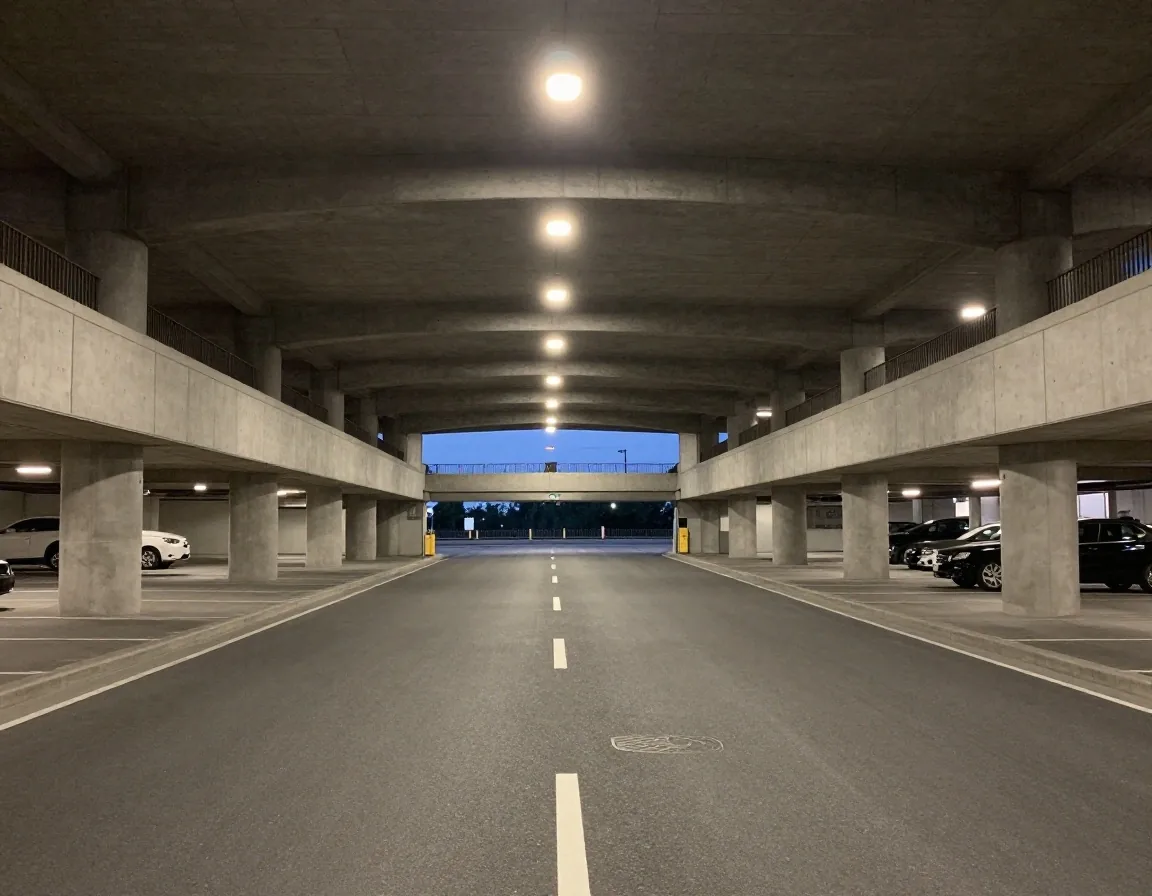
Underground and multi-deck parking garages enforce strict physical clearance limits to prevent damage to building infrastructure and overhead sprinkler pipes. Standard passenger sedans, hatchbacks, and compact SUVs fit comfortably within all Sydney Airport parking structures. However, large four-wheel drives fitted with roof racks, luggage pods, or suspension lift kits frequently exceed the 2.10-meter clearance of domestic P1 and P2 decks. For high-clearance vehicles, use domestic P3 ground levels (2.30m), Blu Emu open-air bays (unlimited), or open-air private compounds in Mascot.
| Parking Facility / Deck | Precinct | Maximum Clearance | Vehicle Compatibility | Over-height Alternatives |
|---|---|---|---|---|
| P1 Multi-Deck (T2 Domestic) | Domestic T2 | 2.10 meters | Standard sedans, wagons, unlifted compact SUVs | Redirect to P3 ground bays |
| P2 Multi-Deck (T2/T3 Center) | Domestic T2 / T3 | 2.10 meters | Passenger vehicles without tall roof pods | Use P3 or Blu Emu facility |
| P3 Multi-Deck (Ground Level) | Domestic T3 | 2.30 meters | Four-wheel drives with roof racks, trade vans | Ground level bays only |
| P7 Multi-Deck (T1 International) | International T1 | 2.15 meters | Standard family cars, crossovers, stock 4WDs | Outdoor parking in Mascot yards |
| Blu Emu Parking (Open Air Bays) | Sydney Airport North | Unlimited | High-top vans, campervans, commercial utilities | Designated oversized lane access |
| Private Mascot Off-Airport Compounds | Mascot Outer Yards | Unlimited | All oversized, modified 4WDs, and trade vehicles | Pre-booking recommended |
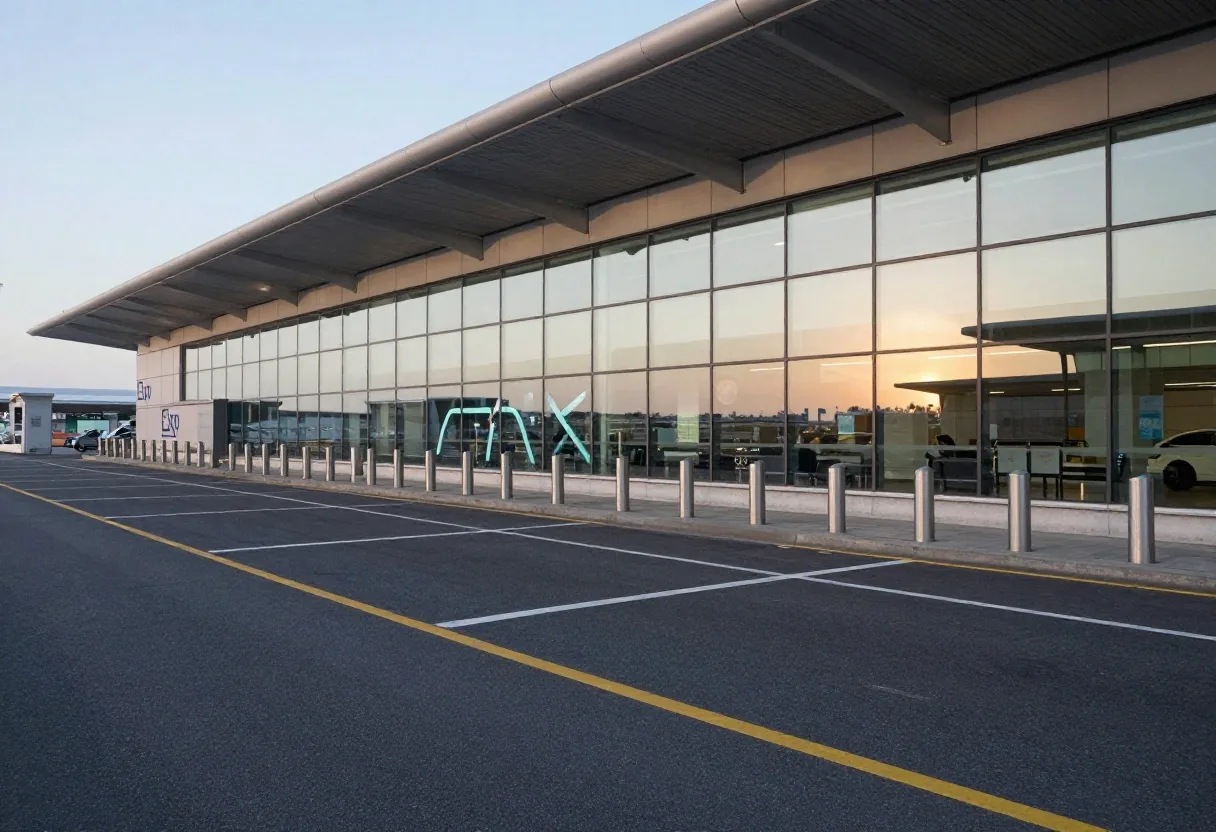
Drivers must not leave their car unoccupied at any point inside express loops. Overstaying past 15 minutes incurs standard terminal short-stay parking fees, starting from the moment the barrier camera registers your number plate.
Express pick-up bays and strict time limits
Meeting arriving travelers without parking long-term is possible through dedicated express pick-up zones located at both precincts. These bays operate under automated camera enforcement and allow drivers fifteen minutes of free standing time. You must remain with your vehicle at all times while in the express zone; unattended cars are subject to immediate towing and heavy fines by airport traffic compliance officers. If your passenger has not cleared baggage claim within the fifteen-minute limit, exit the loop and circle back, or move into a short-stay parking bay.
For domestic pickups, the express zone is located adjacent to the P1/P2 complex, accessed via the center lanes on Sir Reginald Ansett Drive. For international travelers arriving into T1, the dedicated express pickup bay is situated within walking distance of the arrivals forecourt, accessed from the left lanes of the airport approach loop. When arriving passengers experience flight delays, moving into a nearby designated waiting zone along Ross Smith Avenue or booking an hourly bay is far safer than circling arterial roads.
Avoiding common toll road traps along the M8 and WestConnex
Navigating Sydney's motorway network toward Mascot involves multiple toll routes, including the M8 tunnel, the M5 East, and the WestConnex bypasses. Missing an airport exit near St Peters or Marsh Street can divert you into underground toll tunnels that add significant transit time and unnecessary toll fees to your journey. Keep a close eye on overhead road signs indicating airport exits, and set your navigation software specifically for your terminal car park rather than a generic Sydney Airport pin.
The St Peters Interchange Fork
When navigating via WestConnex from the inner west, take the St Peters Interchange exit for direct connection onto Canal Road and the Sydney Gateway. Missing this fork commits you to the M8 tunnel toward Kingsgrove with no intermediate turn-offs.
Marsh Street vs. M5 Tunnel
Drivers approaching International T1 from the southwest along the M5 East must take the Marsh Street exit prior to the tunnel portal. Passing the portal locks your vehicle into the M5 East underground route with steep return toll charges.
GPS Terminal Pin Targeting
Generic navigation entries such as "Sydney Airport" typically route toward the geographic center of the airfield, which can lead to confusion around runway perimeter boundaries. Always enter your exact car park (e.g., "Sydney Airport P2 Domestic Car Park").
Public transit versus driving cost considerations
Deciding whether to drive and park or use public transport depends on group size and travel duration. The Airport Link railway connects Central Station to both domestic and international terminals in less than fifteen minutes, but it carries a substantial station access fee surcharge per passenger. For solo travelers on overnight trips, the train or rideshare may be cost-effective. For families or groups traveling together with multiple luggage bags for a week or longer, driving your own vehicle and booking long-term parking often costs less than return train fares or peak-hour taxi rides.
When you factor in the convenience of packing your car from home, trunk space for sporting gear or prams, and direct door-to-terminal transfers, parking airport sydney facilities provide unbeatable flexibility. By comparing budget off-airport options in Mascot against on-airport multi-deck structures, drivers frequently save substantial sums over unpredictable surge pricing from rideshare apps during wet weather or airport flight delays.
Includes station access access gate surcharge per passenger both directions plus standard transit fares.
Subject to peak-time surge multipliers, airport toll charges, and availability constraints for XL vehicles.
Covers the entire vehicle regardless of passenger count, with complimentary on-demand terminal shuttle transfers.
Real-time traffic hotspots around Mascot during rush hours
Traffic around the Mascot airport precinct intensifies between 6:30 AM and 9:00 AM on weekdays, and again between 3:30 PM and 6:30 PM on weekday afternoons. Botany Road, O'Riordan Street, and Joyce Drive regularly experience heavy queues as commercial delivery vehicles, local commuters, and airport traffic converge on the same intersections. Check live road traffic reports before departing, and add thirty minutes of buffer time to your schedule if traveling toward the airport during these peak windows.
Freight haulage to Port Botany shares Botany Road with local Mascot logistics hubs. Congestion here backs up traffic onto Joyce Drive and Gardeners Road.
As the main north-south feeder from Alexandria and Green Square, O'Riordan Street encounters substantial slow-and-stop conditions leading up to the Sir Reginald Ansett Drive flyover.
Vehicles exiting the M5 West and St Peters connector merge into dual lanes approaching Terminal 1. Traffic slows noticeably during morning long-haul international arrival peaks.
Parking Airport Sydney Mascot Center
20 Loftus St, Mascot NSW 2020, Australia | Open 24 hours, 7 days a week
Frequently Asked Questions
Answers to common driver navigation and height clearance scenarios around Sydney Airport terminals.
What should I do if I enter the wrong airport precinct?
Are there dedicated parking bays for oversized commercial vans?
Can I wait in my car on the terminal access roads for free?
What is the safest way to navigate to Mascot car parks from regional NSW?
Compare transparent rates before you drive to Mascot
Avoid gate-rate surge pricing and terminal congestion. Explore budget off-airport options, direct terminal walkways, and valet parking across all Sydney Kingsford Smith terminals.